


Understanding the Importance of Sensory Play: Sensory Activities Benefits for Your Little One

When I first discovered sensory play, it felt like unlocking a whole new world of learning and fun for my toddler. Sensory play is more than just messy fun - it’s a powerful way to help little ones explore, learn, and grow. If you’re wondering why it matters so much, or how to bring it into your daily routine, you’re in the right place. Let’s dive into the wonderful world of sensory activities benefits and see how they can brighten your child’s early years.
What Are Sensory Activities Benefits?
Sensory activities are simple, hands-on experiences that engage a child’s senses - touch, sight, sound, smell, and taste. These activities help babies and toddlers make sense of the world around them. When your child touches different textures, listens to new sounds, or explores colorful objects, they are building important brain connections.
Some examples of sensory activities include:
Playing with water or sand
Exploring playdough or clay
Listening to music or nature sounds
Tasting new foods with different flavors
Feeling different fabrics or materials
These experiences are not only fun but also essential for healthy development. Sensory play encourages curiosity and creativity. It helps children develop fine motor skills, language, and even emotional regulation.
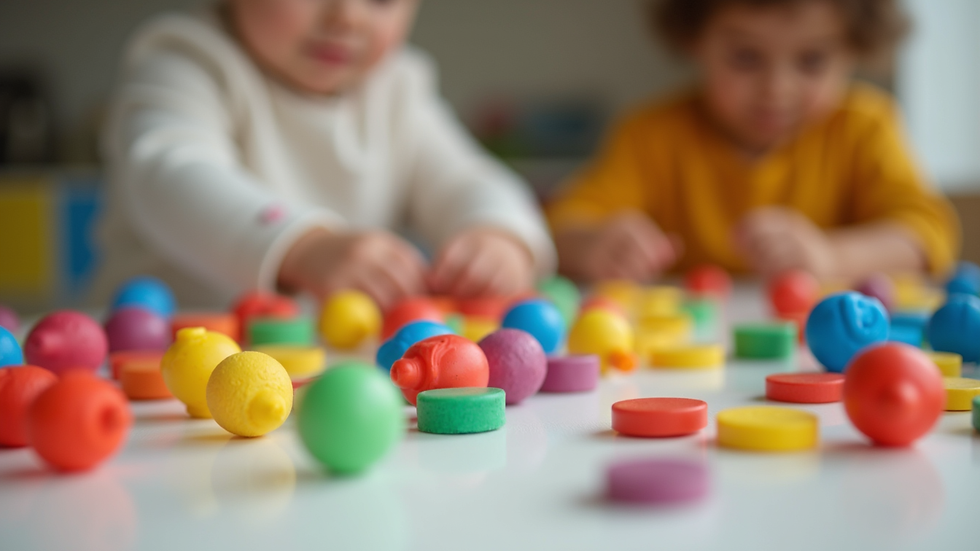
How Sensory Play Supports Early Development
You might ask, “How exactly does sensory play help my child grow?” The answer is beautifully simple. Sensory play supports brain development by stimulating the senses and encouraging exploration. When children engage in sensory activities, their brains form new pathways that support learning and memory.
Here’s how sensory play benefits different areas of development:
Cognitive skills: Problem-solving and understanding cause and effect.
Motor skills: Strengthening hand muscles and coordination.
Language skills: Learning new words by describing textures, colors, and actions.
Social skills: Sharing and cooperating during group play.
Emotional skills: Managing feelings and calming down through soothing sensory experiences.
By offering a variety of sensory experiences, you’re helping your child build a strong foundation for future learning.
Why is Sensory Play So Important?
Sensory play is not just a fun pastime - it’s a vital part of early childhood development. When children engage their senses, they are actively learning about their environment. This kind of play helps them make sense of new information and develop essential skills.
Think about it this way: babies and toddlers learn best through hands-on experiences. Sensory play provides exactly that. It encourages exploration and discovery, which builds confidence and independence.
Moreover, sensory play can be especially helpful for children who might be shy or have difficulty expressing themselves. It offers a safe way to communicate feelings and ideas without words. This can be a huge boost for emotional growth.
If you want to support your child’s growth in a joyful and natural way, sensory play is a wonderful tool to have in your parenting toolkit.

Simple Sensory Play Ideas You Can Try Today
You don’t need fancy toys or special equipment to start sensory play at home. Many everyday items can become exciting sensory tools. Here are some easy ideas to get you started:
Water Play: Fill a shallow container with water and add cups, spoons, or small toys. Let your child splash, pour, and explore.
Texture Exploration: Gather fabrics like silk, cotton, and burlap. Let your child feel and compare the different textures.
Nature Walk: Collect leaves, pinecones, and rocks. Talk about how they look, feel, and smell.
Playdough Fun: Make homemade playdough with simple ingredients. Encourage your child to squish, roll, and shape it.
Sound Jars: Fill small jars with rice, beans, or beads. Shake them to discover different sounds.
Remember, the goal is to let your child explore freely. You can join in the fun, ask questions, and describe what you both notice. This interaction makes sensory play even more meaningful.
Creating a Sensory-Friendly Space at Home
Setting up a dedicated sensory play area can make it easier to encourage regular sensory activities. It doesn’t have to be large or complicated. A small corner with a few sensory bins, soft mats, and easy-to-clean surfaces works perfectly.
Here are some tips for creating a sensory-friendly space:
Use containers or bins to organize materials.
Choose items that are safe and age-appropriate.
Include a variety of textures, colors, and sounds.
Keep the area tidy but accessible for your child.
Rotate materials regularly to keep things fresh and exciting.
Having a special spot for sensory play invites your child to explore whenever they feel curious. It also helps you stay organized and ready for spontaneous play sessions.
If you want to learn more about the benefits of sensory play, there are many resources available that can inspire you with new ideas and insights.
Encouraging Sensory Play in Your Daily Routine
Incorporating sensory play into your daily life can be simple and rewarding. You don’t need to set aside long periods of time. Even a few minutes here and there can make a big difference.
Try these gentle suggestions:
Use mealtime as a sensory experience by letting your child touch and smell new foods.
Turn bath time into a sensory adventure with bubbles, sponges, and toys.
Take walks outside and encourage your child to notice sounds, smells, and textures.
Read books with tactile elements or bright pictures.
Sing songs and use instruments to explore sounds.
By weaving sensory play into everyday moments, you create a rich environment for learning and connection. Your child will feel supported and loved as they discover the world around them.
A Joyful Journey of Growth and Connection
Sensory play is a beautiful way to nurture your child’s development while sharing joyful moments together. It’s about more than just play - it’s about building a strong foundation for learning, creativity, and emotional well-being.
Remember, every child is unique. Follow your little one’s lead and enjoy the process. Celebrate their discoveries and encourage their curiosity. With sensory play, you’re giving your child a gift that lasts a lifetime.
If you’re looking for a welcoming place to explore sensory activities and connect with other families, consider visiting a local early childhood gym. These spaces are designed to support babies and toddlers through purposeful play and community.
Your child’s journey is just beginning. Embrace the magic of sensory play and watch them thrive!
Thank you for joining me on this exploration of sensory play. I hope you feel inspired to try some of these ideas and see the wonderful benefits unfold in your child’s life. Happy playing!


Comments